1981 Era T.O.P.S. Design Considerations
Traveling Office Peripheral System
T.O.P.S. was intended as the next-generation replacement for TI's 765 Silent 700 Series Portable Data Terminals, which held an 85% market share and were exceptionally profitable. I worked for the Terminal and Peripheral Division (TPD) of the Computer Systems Group (CSG) of TI at that time.
This product targeted primarily professional salespeople. The average 765 sold for approximately $3,000, with a service contract of roughly 15%, or $450 per year. TI's CSG had field service offices spread throughout the US, which serviced TI computer and data terminal products.
Fit into a salesperson's briefcase.
11½ × 8½ inch notepad dimensions. Hence “notebook computer.”
Use a telephone jack in lieu of an acoustic muff.
The telephone jack attached to the internal modem.
- Reduce line noise, improve modem speed.
- Reduce unit size by eliminating muffs.
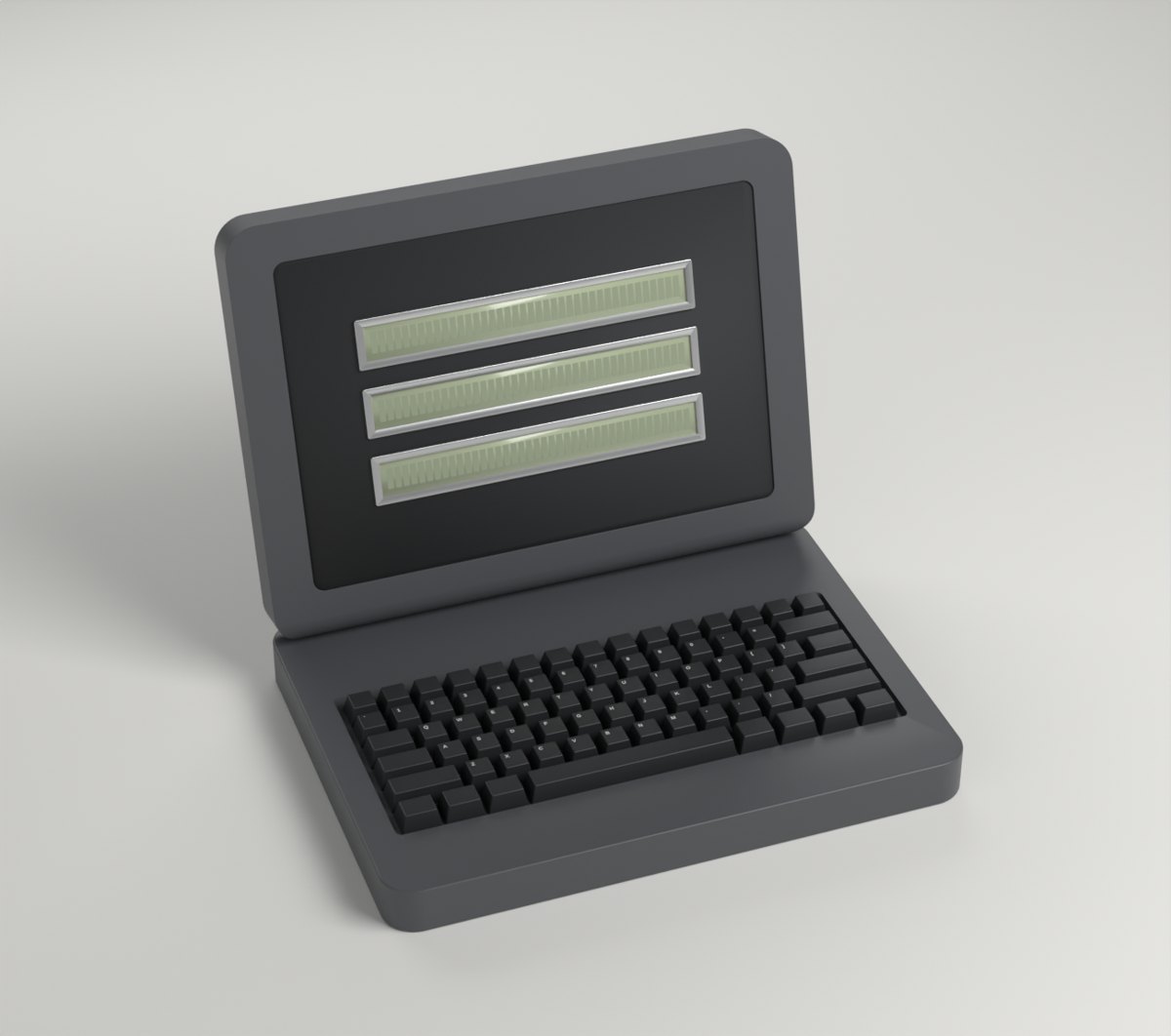
Utilize three concatenated LCD displays.
In 1981 there were a variety of multi-character-line portable display options, which included:
- Different LCDs
- Dot-matrix LED
- Gas plasma
- Electroluminescent
- Vacuum fluorescent
TI had extensive experience with LCDs and LEDs, and George Heilmeier, head of TI's research group, invented LCDs when at RCA.
Of all these alternatives, I concluded that LCDs were most likely to improve along the cost curves over time and succeed as the long-term winning technology for larger notebook panels.
TI's “secret weapon”: its field service operation.
TI's TPD also had a “secret weapon,” its extensive field service operation. I had worked adjacent to one of their offices for a few years and was familiar with how it worked.
I planned for the T.O.P.S. units to be sold for $3,000 to $4,000 each, with a service contract of $450 to $600 per year, to professional salespeople in large enterprises.
As LCD panels improved, along with memory and processors, these companies would have no problem paying an upgrade of $1,000 to extend the life of each unit and improve its capability, to enhance the productivity of their salesforce.
I knew TI's field service force could perform that upgrade quickly in the field, either at a customer's location or at the service depot.
This would allow TI to enter production quickly and not delay production until LCD panel technology caught up to the size required for a full panel.
The unit would be plugged into the wall.
Batteries were uncommon in this era, and portable units were normally plugged into the wall.
A full-travel keyboard.
TI's Silent 700 series always used full-travel keyboards. I preferred them, and we specified them into this notebook computer design.
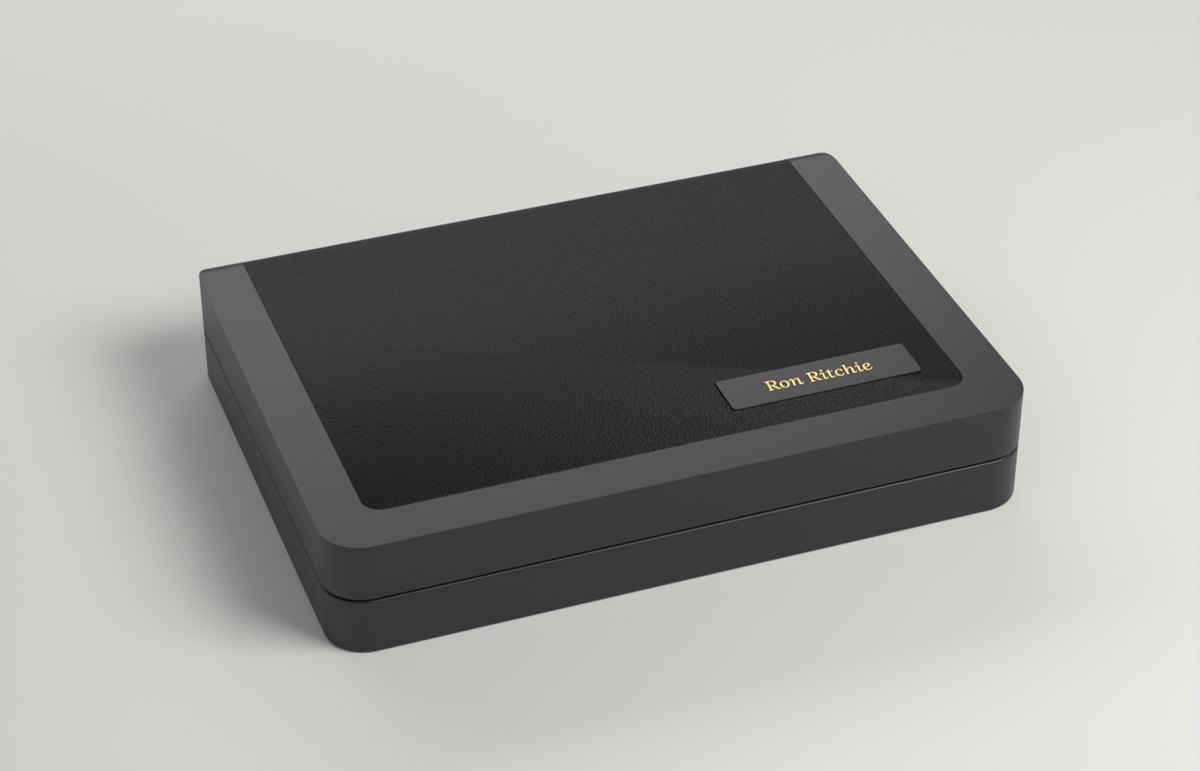
Ron Ritchie's name on the lid.
The TPD Division Manager, Ron Ritchie, had a strong personality, and his approval was required to move beyond the I.D.E.A. phase, so I figured I may as well put his name on the notebook concept. That's why this name is there.
These are my recollections of the concept and my reasoning at the time, not statements on behalf of Texas Instruments. To the best of my knowledge, the T.O.P.S. model is held by the Smithsonian Institution, along with photographs of it. Links to these were once available online but no longer work, so the images here were rebuilt from my recollection of the model.